
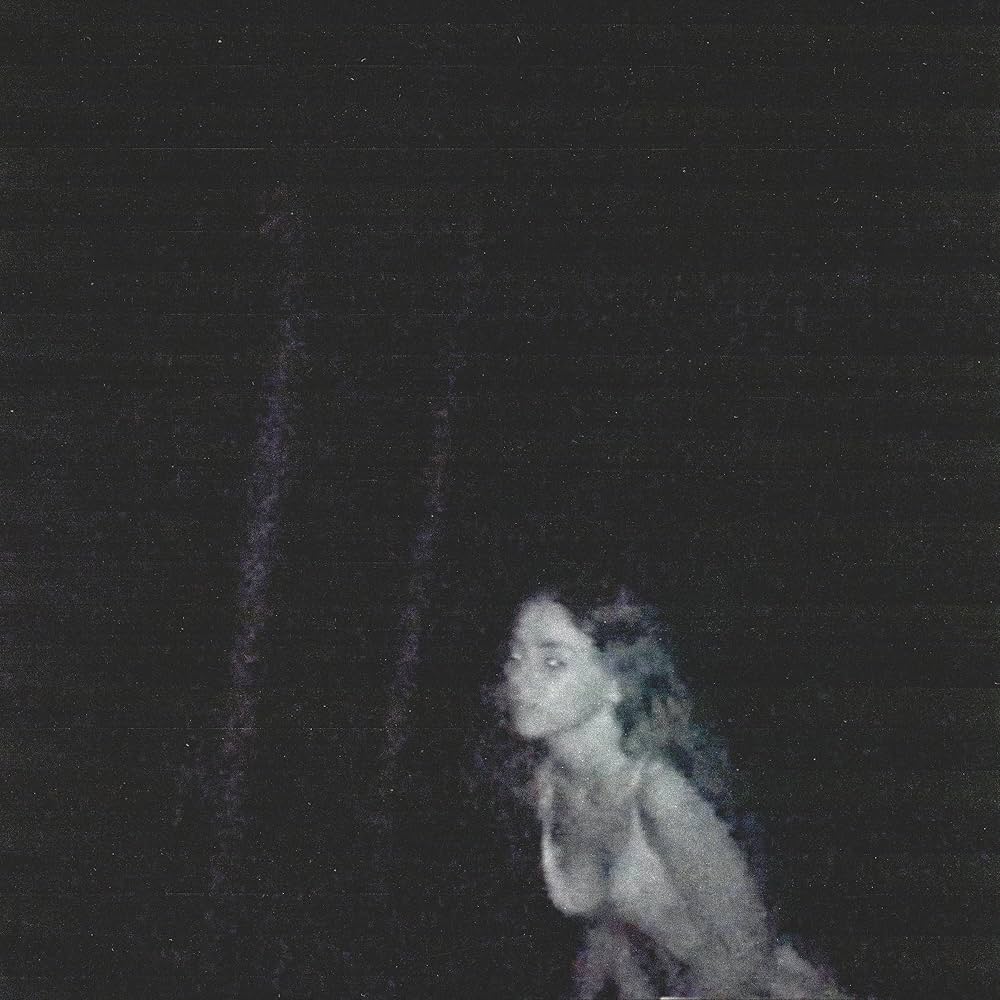
If we’ve learned one thing over the course of three albums, it’s that Samia makes music you have to read. In fact, you might as well sit down with a pen and annotate it like you’re in an upper-level poetry seminar. April 25th marked the release of Bloodless, which Minneapolis-based musician Samia Finnerty has cited as her most conceptually mature record. But her message is far from plainly stated. Bloodless is more than the music — it’s complex feminist theory shrouded in deceptively violent metaphors. It’s chaos concealed behind an indie-rock sheen.
The album has a cyclical narrative, which is a hallmark of Samia’s writing that we can trace back to her previous releases: The Baby (2020) and Honey (2023). But on Bloodless, the songs transition with intentional disruptions. Radio static cuts off instrumentals, and introduces snippets of lyrics and sounds we’ll hear later in the record. It’s a testament to the artistic vision that these abrupt tone changes still manage to feel natural.
Samia’s lyrics can be intensely specific, setting the scene by including seemingly random objects and peoples’ names. This is often boldly contrasted with her poignant hooks. The lead single “Bovine Excision” exemplifies this perfectly. She compares the phenomena of cattle mutilation, and being “drained bloodless,” to the experience of womanhood. She describes the sense of security she feels through mystifying her own image, over folk-rock guitar melodies and steady drums that build in emotion over time.
“Hole in A Frame” uses another overarching metaphor — when Sid Vicious of the Sex Pistols punched a hole in his green room wall at Cain’s Ballroom in Tulsa, and the venue commemorated it. If you choose to ignore the lyrics, this track is the epitome of easy listening. It identifies the record’s central thesis, that society tends to romanticize the concept of nothingness. The male gaze contributes to a sense of dehumanization, or absence, that many women feel when attempting to decontextualize their individual identities.
“Lizard” is the most sonically unique single on the project, utilizing distorted leads and a busier mix. She continues her pattern of animalistic language, comparing an ex-partner to an arrogant lizard with their head cut off. Her performative carelessness in the first half of the record shows the defensive wall she puts up to protect herself. A fan-favorite, “Fair Game,” incorporates the most Americana twang we’ve ever heard from Samia. She writes about the combative power dynamics between insects and humans saying, “You can go outside on a hot night and clap / But you won’t get your blood back.”
In the following track, “Spine Oil,” the upbeat chorus sees Samia assert, “You’ve mistaken my joy for weakness.” But the striking imagery she provides in the verses slowly reveals cracks in her foundation. On “Carousel,” her cyclical writing tendencies seep into the musical composition. The keyboard melody subtly shifts from calm to eerie, and transitions into an explosive guitar outro. Samia’s compressed and echoing scream at the end is reminiscent of one we heard in “Breathing Song” from her previous album Honey — a gut-wrenching reflection on the trauma of sexual harm. Her vocal wails on Bloodless all maintain a certain level of composure and polish, evident of Samia’s desire to take back control of the gaze placed upon her.
The album’s most stripped-back song is “Proof,” in which Samia grapples with admitting vulnerability and the ways she’s been taken advantage of. There’s a powerful irony to the way she repeats “You don’t know me b*tch” in a soft, comforting voice in order to convince herself that the mistreatment she’s endured doesn’t affect her. There’s a notable switch in outlook that occurs here, which shapes the magnetism of the record’s last two songs. While the presence of men haunts the narrative — Bloodless is ultimately about Samia herself, and the peculiar ways in which she forms connections.
The six-minute closer, “Pants,” details a revelation on an airplane, with three distinct sonic acts. The final minute of this song is one of the most memorable on the album, because of its shocking simplicity. We finally hear the lullaby-esque guitar plucking that was teased in the album’s brief intro track. Here, she shows that you can regain a sense of humanity when you stop dwelling on the big existential questions, and start to appreciate everyday beauties. Samia implicitly urges listeners to search for life’s little treasures with the same energy that they use to incessantly decode their identities— or the lyrics of this album. As she put it best:
“Maybe you start living the moment you stop feeling so dumb
Pink blossoms luring you from an invitation to the sapling
Makes you wonder which magical things were already happening”

 thecounterpoint.org