
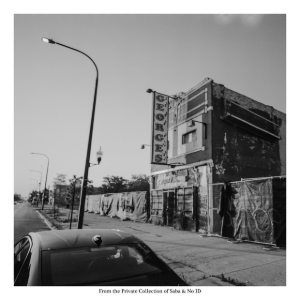
On March 18, Saba issued the fourth studio album in his increasingly impressive discography. The release is the Chicago rapper’s first collaboration with No ID and is aptly entitled From The Private Collection of Saba and No ID. The producer’s previous creative partnerships, such as Jay-Z, Jhene Aiko, and Vince Staples, combine with Saba’s independence from a record label to allow for a masterful blend of influences. In theme, this album continues where Saba left off in the 2022 release Few Good Things, sharing his experiences as a person of color with newfound success.
Saba is intentional in creating a specific atmosphere for the listener. Exemplified by “Breakdown” and “Crash,” many tracks have an indisputable warmth to them. This effect is primarily produced by the instrumentation and their respective timbres. Clean jazz guitar pairs with the classic Rhodes piano tone to place this album’s sound well within the realm of R&B. Though the overlying beat with its bass-boosted kick drum causes the overall sound to always be distinctly hip hop.
Saba heavily features other artists from Chicago, many of which are fellow members of the rap group PivotGang. The flashiest and hardest-hitting song on the album is “Westside Bound Pt. 4.” MFnMelo’s verse expresses gratitude for his unique position, where not only are his collaborators dear friends, but their relationships go all the way back to when they were teenagers. Biblical reference suggests that their relationship could not have been storied any better, “Brothers from the start, word to Genesis,” and mention of an Austin neighborhood landmark tells of how significant their rough coming-up is to their artistry: “From couches to Carolyn’s, limitless.”
Saba’s flow and density of poetic devices compare him to J. Cole, while his beats and mellow aesthetic place him closer to Joey BadA$$. “Woes of the World” best encapsulates this duality. He speaks to his success bringing him an increased perception of others’ suffering. “When you used to the woes of the world / Everything a woe in the world.” The grimness of this subject matter pairs with the punch of the 808 to express that, yes, everyone is struggling. Simultaneously, a pitched up chorus of wordless female voices sings in the background, giving the rest of the song an angelic edge. These extremes meet in the middle, suggesting that peace is in fact possible.
Private Collection of Saba and No ID shows tasteful curation to be more important than ingenuity in the music industry. With a palette that encompasses all genres of Black music that have managed to percolate into the present day, Saba has again demonstrated himself to be an artist to keep your ear on. Even with a distinct lack of what I would call “straight bangers,” this album is a feat and deserves a listen.

 thecounterpoint.org